Soft Focus — Small desks
What to cut first when the desk is too small
A small desk is not a compromise if it is zoned. The failure mode is not lack of space — it is filling every inch of what you have.
Almost everything written about desk setups assumes a big desk. If yours is 40 inches in a bedroom corner, the advice to add a second monitor and a document holder is not just unhelpful, it is the thing making your desk worse.
Three zones
- Primary. Directly in front of you, roughly shoulder width. Keyboard, mouse, and nothing else, ever.
- Secondary. Within comfortable reach without leaning. Notebook, mug, phone.
- The clear zone. A stretch you never fill.
That third one is the zone people skip, and it is the one that makes a small desk usable. It is not wasted space — it is the room you need to actually spread out when a task requires it. Without it, every piece of paper has to displace something else.
What genuinely fits
| Desk width | What fits |
|---|---|
| 40 in | Laptop on a stand, external keyboard, mouse. One mug. No second screen. |
| 47 in | Single monitor on an arm, keyboard, mouse, notebook open to one side. |
| 55 in | Monitor plus laptop alongside, or two screens if the desk is 30 in deep. |
| 60 in + | Dual monitors with real writing space between you and the screens. |
Note the 55-inch row. Two screens need depth as much as width — at 24 inches deep, two monitors sit so close that you turn your head rather than your eyes, all day. Depth is the measurement nobody checks, and on a small desk it matters more than width.
The cut order
Work down this list and stop when the desk feels workable.
- The desktop speakers. Headphones or a small bar under the monitor do the same job and reclaim more surface than anything else on this list.
- The second monitor. On a desk under 47 inches it forces both screens off-centre, so you spend the day turning your neck.
- The desktop printer. Used weekly at most, occupying space you use hourly. Put it on a shelf.
- The paper tray or inbox. Vertical storage on a wall does the same job for none of the surface.
- The stock monitor stand. Swap it for an arm — the only cut here that gives back depth as well as width.
- The desk lamp, if you have a monitor light. Two task lights on one small desk is one too many.
Three things that make a small desk feel bigger
None of these add space. They change how much of the space you can actually use.
Get the cables off the surface and off the floor. On a small desk, visible cable is stolen area — you avoid putting things where the wires are. A tray under the desk moves all of it out of sight in an afternoon.
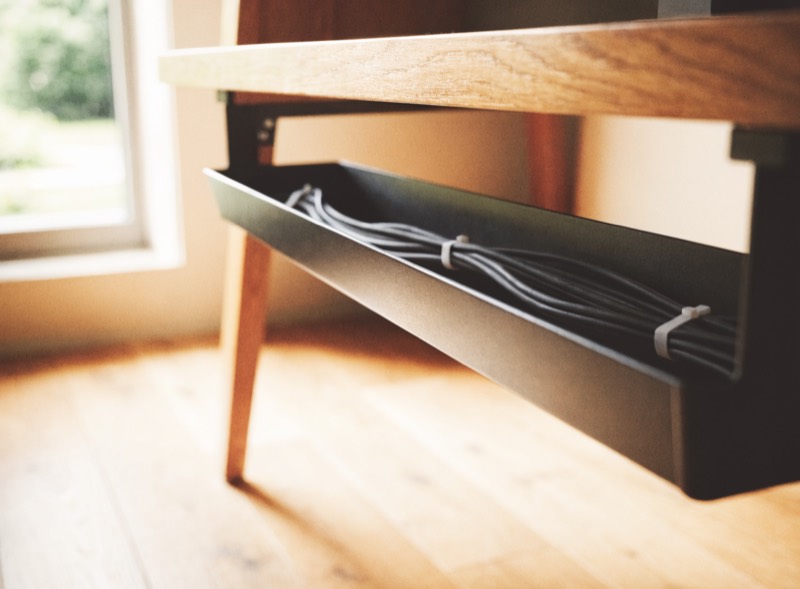
Under-Desk Cable Tray Kit
No drilling. The cheapest change on this page and the most visible one, especially on a small desk where every inch of clear surface counts.
Define the working area. A mat that covers the primary and secondary zones gives the desk an edge, and things stop drifting into the clear zone because the boundary is visible.
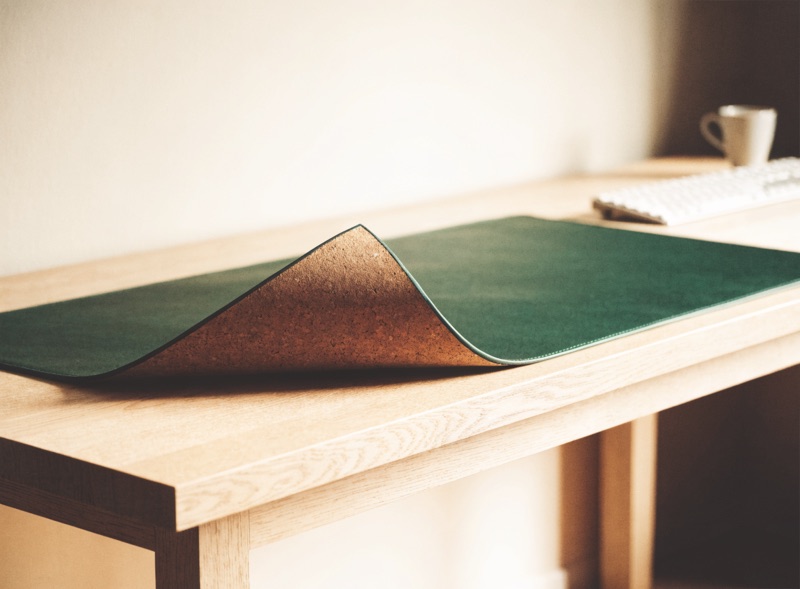
Large Cork Desk Mat, 47×17″
47 by 17 inches, so it spans a small desk end to end. Dark green on one side, cork on the other.
Light from above the screen, not the desk. A desk lamp on a 40-inch desk occupies primary-zone space. A monitor bar occupies none.
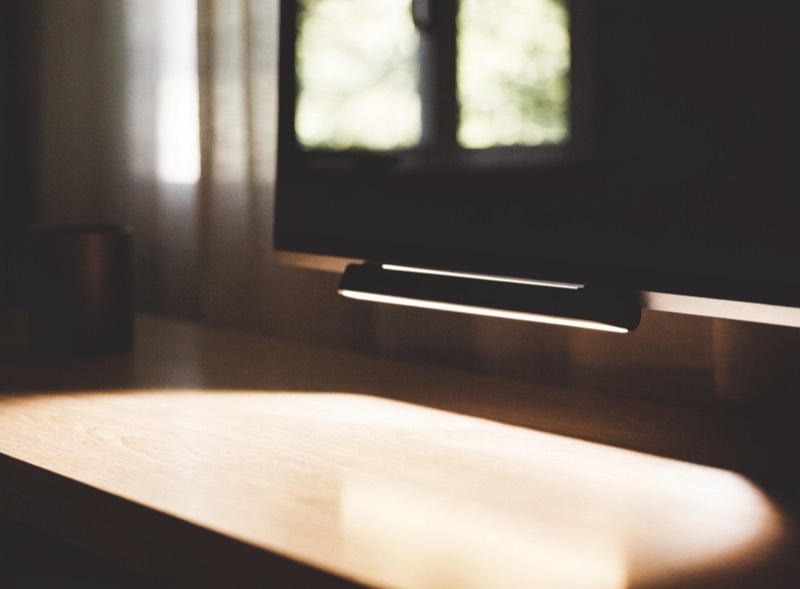
BenQ ScreenBar Monitor Light
Clips to the monitor and lights the desk rather than the screen. On a small desk it is a space purchase as much as a lighting one.
The compact keyboard question
A tenkeyless keyboard — no number pad — reclaims about four inches of width and moves your mouse hand closer to your body, which is better for the shoulder as well as the desk.
If you enter numbers all day, keep the number pad. If you cannot remember the last time you used it, you have four inches waiting.
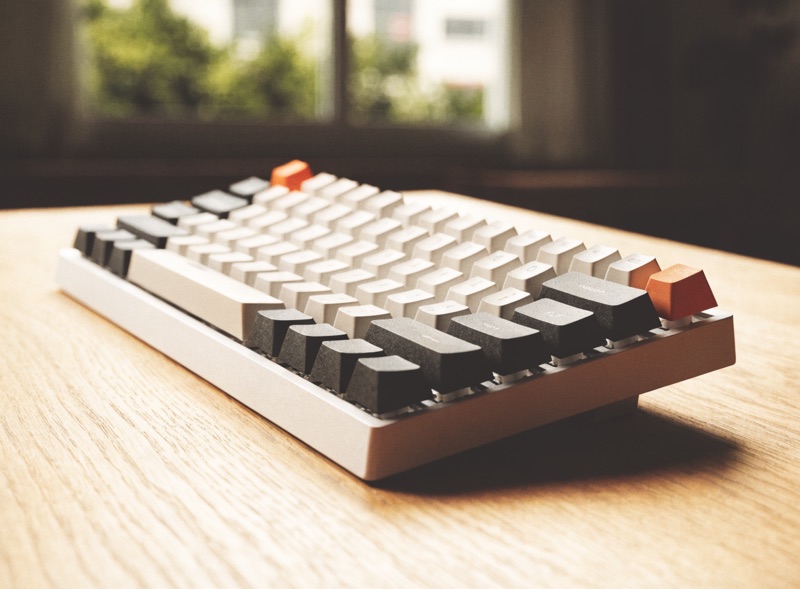
Keychron K8 Wireless Keyboard
Tenkeyless, so about four inches narrower than a full-size board. Wireless, which also removes one more cable from the surface.
One thing that is not about space
Small desks are usually in shared rooms — a bedroom corner, the end of a living room, a hallway nook. The constraint that actually breaks concentration in those rooms is noise, not square inches.
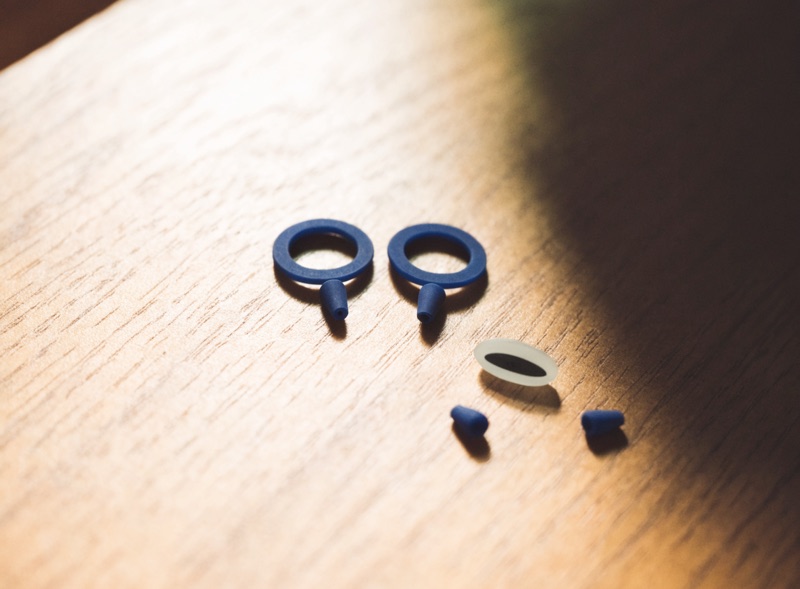
Loop Quiet 2 Earplugs
Not earbuds — nothing pairs and nothing plays. They drop a room by roughly 24 dB while leaving speech intelligible.
The test that matters
A setup that survives is one you can reset in thirty seconds. If clearing your desk takes longer than that, it will not stay clear — and by week two you will be working around the mess instead of in the space.
The Home Office Setup Guide
Eighteen pages: the six measurements with a printable worksheet, three complete builds with every piece listed, a lighting plan for awkward rooms, and small-desk layouts. Free.
Get the guide